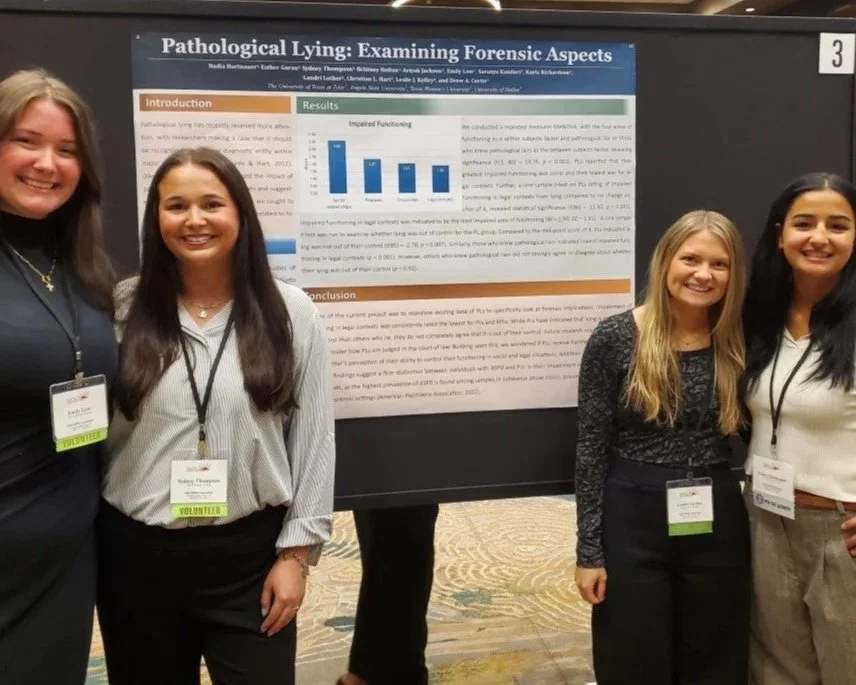
Clinical Science & Deception
Clinical Science & Deception
The Clinical Science and Deception Lab was established in 2013 and is supervised by Dr. Drew Curtis. My research has focused on pathological lying, deception in healthcare and other relationships, and aspects of clinical science.
The study corroborates the existence of pathological lying as a psychiatric entity, providing etiological markers, and evidence for potential treatment and additional research.
Executive functioning is related to pathological lying, in which there is a deficit associated with pathological lying.
The majority of pathological lying adolescents do not indicate symptoms of conduct disorder.

Featured in the American Association for the Advancement of Science

Current Research Studies
If you would like to participate in current research studies, please click the links below.

Research Areas
-
The psychopathology of deception has received little attention. In 1891, Delbrück referred to pathological lying as pseudologia phantastica. Pathological Lying is not found in major nosologies such as the Diagnostic and Statistical Manual of Mental Disorders (DSM-5-TR; APA, 2022). I proposed a theory of pathological lying (Curtis, 2019) by implementing the psychopathology criteria of the four Fs (Curtis & Kelley, 2016).
Additionally, I have been investigating differential diagnoses of pathological lying, cross-cultural prevalence, and empirically-supported treatments.
-
Our research examines various aspects of deception: psychotherapy (client and psychotherapist, health care professions, ethical use of deception, intimate relationships, parental relationships, attitudes, beliefs, attributions, motivations, effects of revealing lies, and scale development.
-
Our research examines various aspects of clinical science. Primarily this research examines psychomythology of psychopathology.

Lab
-

Savannah Torres, M.S.
I am a Clinical Psychology Ph.D. student at the University of Texas at Tyler and work part time as an LPC-Associate, providing individual and group therapy. My background includes providing fit-for-duty evaluations to military personnel, counseling high school students, and inpatient psychiatric facility experience. I’ve worked with Dr. Curtis examining the underlying mechanisms of pathological lying which we continue to expand on. My broader interests include neurodevelopmental disorders, cognitive processes, and trauma as they relate to complex psychopathology. I look forward to collaborating with the lab to further our knowledge in pathological lying and related areas.
-

Nadia Lucas
I am a first-year PhD student working under Dr. Curtis. I am interested in researching the types of convictions and sentencing that pathological liars are receiving. Through this, I hope to build on our understanding of how pathological liars are being perceived and treated in our legal system. After my education, I hope to become a Forensic Psychologist with a focus on assessment. I am excited to continue my work under Dr. Curtis and look forward to seeing where his mentorship will take me.
-
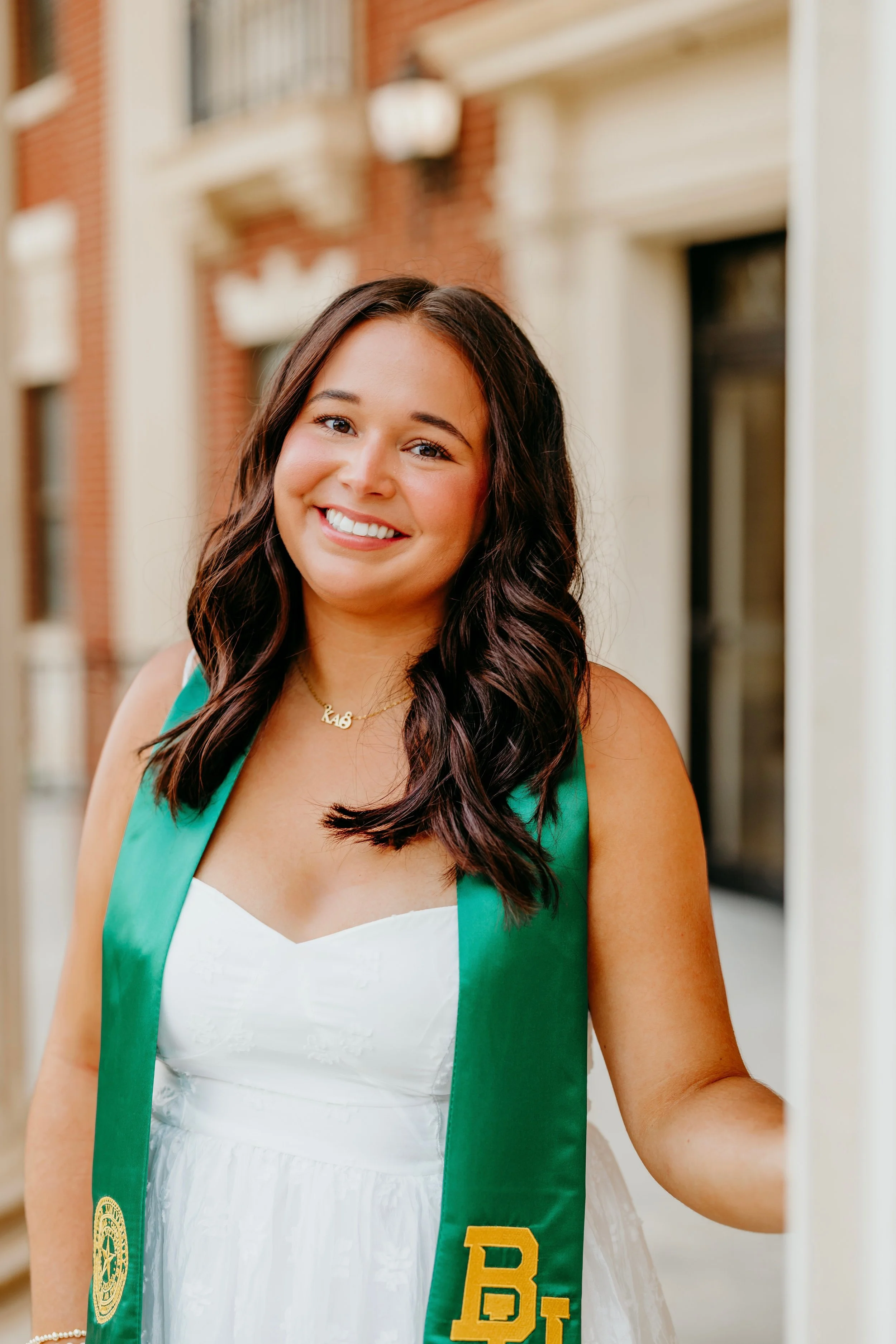
Sydney Thompson
I am a Clinical Psychology Ph.D. student under Dr. Curtis at UT Tyler. I graduated with my bachelor's degree from Baylor University in 2025. While in the M.S. program at UT Tyler, I worked with Dr. Curtis on projects that focused on remorse, attachment and core beliefs, and legal implications of pathological lying populations. After obtaining my Ph.D. I hope to work as a Clinical Psychologist specializing in forensic populations. I am excited to continue to assist Dr. Curtis with research on pathological lying and hope to explore how this topic intersects with my future career aspirations.
-

Landri Luther
I am currently in my first year of the Clinical Psychology Master's Program at UT Tyler and plan to pursue a Ph.D. in Clinical Psychology. Following completion of my doctoral training, I hope to become a licensed clinical psychologist working with forensic populations within court and correctional settings. I am excited to continue developing as both a researcher and clinician. I am currently in Dr. Curtis lab and collaborating with the team on numerous projects pertaining to pathological lying and deception. I have become increasingly interested in the study of deception and pathological lying and their implications for forensic and clinical psychology. I am ready to continue to contribute to this body of research and explore its connection to my future goals. I am excited to continue contributing to the lab and look forward to further developing my research skills under Dr. Curtis's mentorship.
-

Esther Gurau
I am a Clinical Psychology Master’s Student at the University of Texas at Tyler. I plan on pursuing my PhD in Clinical Psychology! I am interested in lies, deception, and trauma. I am looking forward to contributing to further research on pathological lying.
-
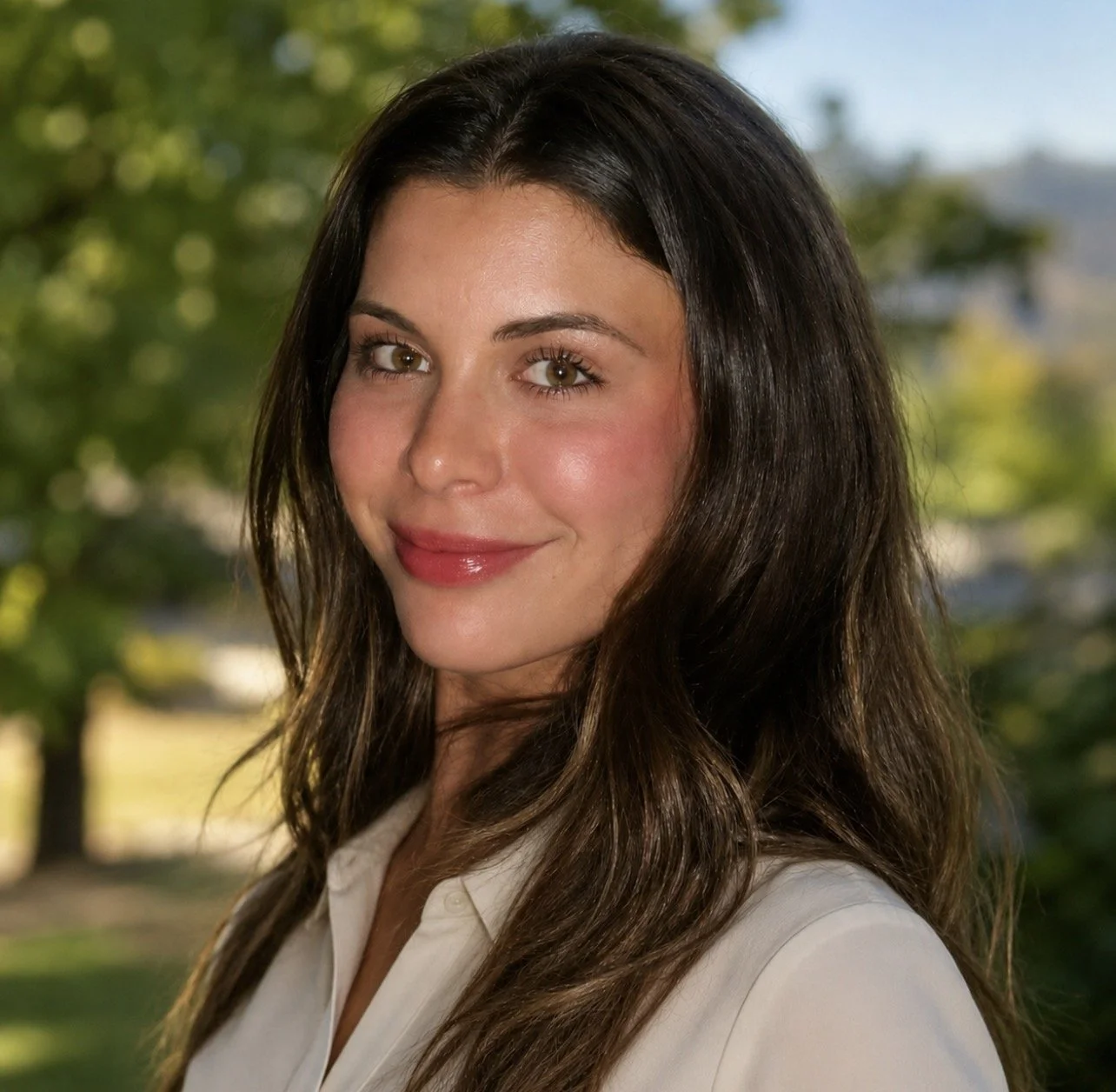
Kate Langley
I am currently pursuing a Master of Science in Clinical Psychology at the University of Texas at Tyler and earned my Bachelor of Science in Psychology from Louisiana State University (LSU). My long-term goal is to obtain a doctorate in Clinical Psychology with a focus on pediatric populations. I have gained clinical experience working with children ages 2 to 17 diagnosed with Autism Spectrum Disorder, which has strengthened my interest in developmental and behavioral disorders. During my graduate training, I hope to expand my experience by working with children presenting with severe externalizing disorders, including conduct disorder. I am eager to engage in research through collaboration with Dr. Curtis in the Deception Lab, where I can further explore the role of deception in youth psychopathology.
-

Abigail Ketchum
First Year Doctoral Students
Savannah Torres
Sydney Thompson
Nadia Lucas
Lab Presentations
-
![]()
Presentation at LSUS-April 2026
-
![]()
LSUS 2026
-
![SWPA]()
SWPA-Lab
-
![Southwestern Psychological Association]()
SWPA 2026
-
![]()
SWPA 2026
-
![]()
UT Tyler Lyceum 2026
-
![]()
SWPA 2026