Books




Translations

Scales and Measures

Selected Publications
Books/Chapters:
Hart, C. L. & Curtis, D. A. (2023). Big liars: What psychological science tells us about lying, and how you can avoid being duped. American Psychological Association.
Curtis, D. A. & Hart, C. L. (2022). Pathological Lying: Theory, Research, and Practice. American Psychological Association.
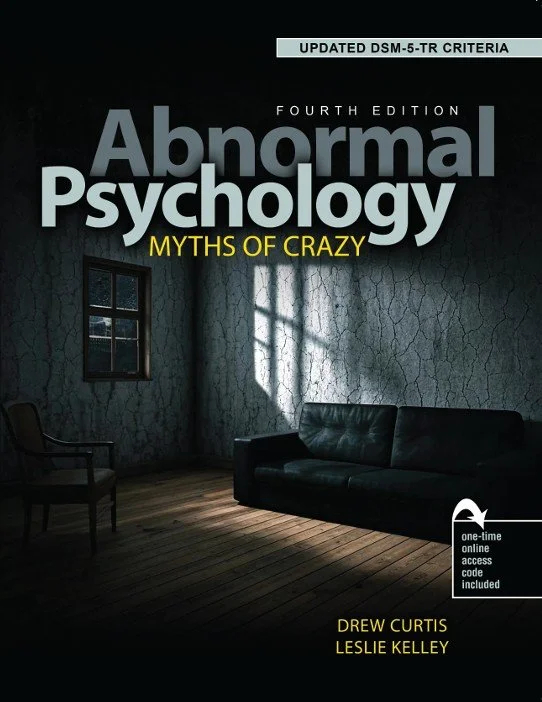
Curtis, D. A. & Kelley, L. (2020). Abnormal Psychology: Myths of “Crazy” (3rd ed.). Dubuque, IA: Kendall Hunt.
Curtis, D. A. & Kelley, L. (2018). Foundations of Abnormality: Myths, Misconceptions, and Movies. Dubuque, IA: Kendall Hunt.
Curtis, D. A. (2018). Social Cognition: A World of Beliefs. In W. K. Jeter (Ed.),Thinking Critically about Social Psychology. Dubuque, IA: Kendall Hunt.
Curtis, D. A. (2016). Social Cognition: A World of Beliefs. In J. M. Bonds-Raacke (Ed.),Thinking Critically about Social Psychology. Dubuque, IA: Kendall Hunt.
Refereed Articles:
Curtis, D. A., Hart, C. L., & Talwar, V. (2025). Executive Functioning in Adolescent Pathological Liars: Examining Prevalence and Etiology. Journal of Psychopathology and Behavioral Assessment.
Curtis, D. A. (2025). Santa Claus, Easter Bunny, Tooth Fairy, and Boogie Man: Perceived Parental Deception. North American Journal of Psychology.
Curtis, D. A., Hart, C. L., & Coelho, L. (in review). The Impact of Pathological Lying on Relationships.
Curtis, D. A., Hart, C.L., & *Schneemann, A. C. (2024). A Psycholinguistic Analysis of Pathological Lying. Psychological Studies.
Hart, C. L., Curtis, D. A., Terrizzi, J. (2024). Development and Validation of the Pathological Lying Inventory. Current Psychology
Barnett-Boyles, M., Hart, C. L., & Curtis, D. A. (2024). Client deception in therapy is associated with worse therapeutic relationships and therapeutic outcomes. Counselling and Psychotherapy Research.
Curtis, D. A. (2023). The Hydra Hypothesis: How do lies grow out of control? Psychology Today. https://www.psychologytoday.com/us/blog/pathological-lying-and-deception/202311/the-hydra-hypothesis
Curtis, D. A. (2023). ‘Help! I am a pathological liar’ Recommendations and treatment considerations for pathological lying. Psychology Today. https://www.psychologytoday.com/us/blog/pathological-lying-and-deception/202307/help-i-am-a-pathological-liar
Curtis, D. A. (2023). Why pathological lying is a psychological disorder. Psychology Today. https://www.psychologytoday.com/us/blog/pathological-lying-and-deception/202304/pathological-lying-a-psychological-disorder
Curtis, D. A., *Dickens, C., & Hart, C.L. (2022). Others’ Deception Attitude Measure. North American Journal of Psychology.
Curtis, D. A. & Hart, C.L. (2021). Pathological Lying: Psychotherapists’ Experiences and Ability to Diagnose. American Journal of Psychotherapy.
Curtis, D. A., Kelley, L. J. (2021). Psychomythology of psychopathology: Myths and mythbusting in teaching abnormal psychology. Teaching of Psychology. https://doi.org/10.1177/00986283211023195
Curtis, D. A., Levine, T. R., Hart, C. L., Serota, K. B. (2021). Does information about the frequency of lying impact perceptions of honesty? North American Journal of Psychology, 23(2), 187-202.
Curtis, D. A. (2021). You liar! Attributions of lying. Journal of Language and Social Psychology.
Curtis, D. A., Kelley, L. J. (2021). The 4 Fs: A model to understand psychopathology. Educator Perspectives.
Curtis, D. A., Nicks, K. L. & Huang, H-H., (2021). Patient Deception in Healthcare: Longitudinal Effects of Different Educational Interventions. North American Journal of Psychology. 23(1) 77-94.
Curtis, D. A. (2020). Deception detection and emotion recognition: Investigating F.A.C.E. software. Psychotherapy Research, doi: 10.1080/10503307.2020.1836424
Curtis, D. A., Braziel, J., *Redfearn, R. A., & *Hall, J. (2020). Lying to patients: Ethics of deception in nursing. Clinical Ethics. https://doi.org/10.1177/1477750920977103
Curtis, D. A. & Hart, C.L. (2020). Pathological Lying: Theoretical and Empirical Support for a Diagnostic Entity. Psychiatric Research and Clinical Practice, https://doi.org/10.1176/appi.prcp.20190046
Hart, C.L., Lemon, R., Curtis, D. A., Griffith, J. D. (2020). Personality traits associated with various forms of lying. Psychological Studies.
*Crank, S. D., & Curtis, D. A. (2020). And nothing but the truth: An exploration of perjury. Journal of Police and Criminal Psychology. doi: 10.1007/s11896-020-09383-1
Curtis, D. A. & Kelley, L. J. (2019). Ethics of psychotherapist deception. Ethics & Behavior. Advance online publication. https://doi.org/10.1080/10508422.2019.1674654
*Dickens, C. & Curtis, D. A. (2019). Lies in the law: Therapists’ beliefs and attitudes about deception. Journal of Forensic Psychology Research and Practice, 19, 359-375. https://doi.org/10.1080/24732850.2019.1666604
Curtis, D. A. & Hart, C.L. (2019). Deception in psychotherapy: Frequency, typology, and relationship. Counselling and Psychotherapy Research. 20:106–115. DOI:10.1002/capr.12263
Hart, C.L., Jones, J. M., Terrizzi, J. A. Jr., & Curtis, D. A. (2019). Development of the Lying in Everyday Situations (LiES) Scale. American Journal of Psychology, 132, 343-352. DOI:10.5406/amerijpsyc.132.3.0343 DOI: 10.5406/amerjpsyc.132.3.0343 DOI: 10.5406/amerjpsyc.132.3.0343
Curtis, D. A. & Kelley, L. (2019) Myth-checking: Evaluating teaching activities in abnormal psychology. North American Journal of Psychology, 21 (2), 245-252.
Curtis, D. A., Huang, H-H., & Nicks, K. L. (2018). Patient Deception in Health Care: Physical Therapy Education, Beliefs, and Attitudes," International Journal of Health Sciences Education, 5(1).
*Cargill, J.R., & Curtis, D.A. (2017) Parental Deception: Perceived Effects on Parent-Child Relationships, Journal of Relationships Research, 8. doi: 10.1017/jrr.2017.1
Curtis, D. A. & Hart, C. L. (2015). Does Pinocchio’s nose grow in therapy? Therapists’ attitudes and beliefs toward client deception. International Journal for the Advancement of Counselling, 375, 279-292.
Curtis, D. A. (2015). Patient deception: Nursing professionals’ beliefs and attitudes. Nurse Educator, 40, 254-257.
Hart, C. L., Curtis, D. A., Williams, N. M., Hathaway, M. D., & Griffith, J. D. (2014). Do as I say, not as I do: Benevolent deception in romantic relationships. Journal of Relationships Research, 5, 1–6.
*denotes supervised student
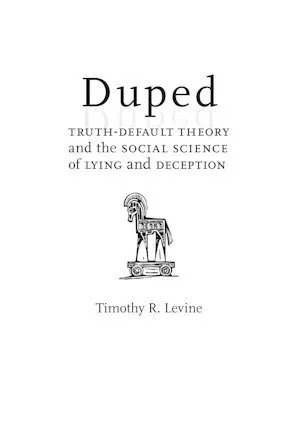
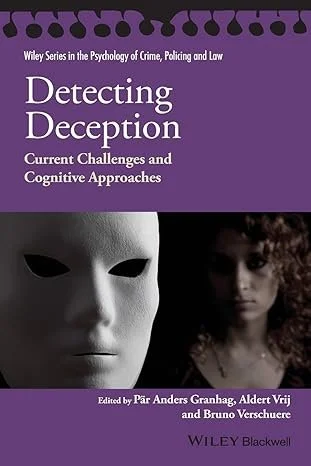
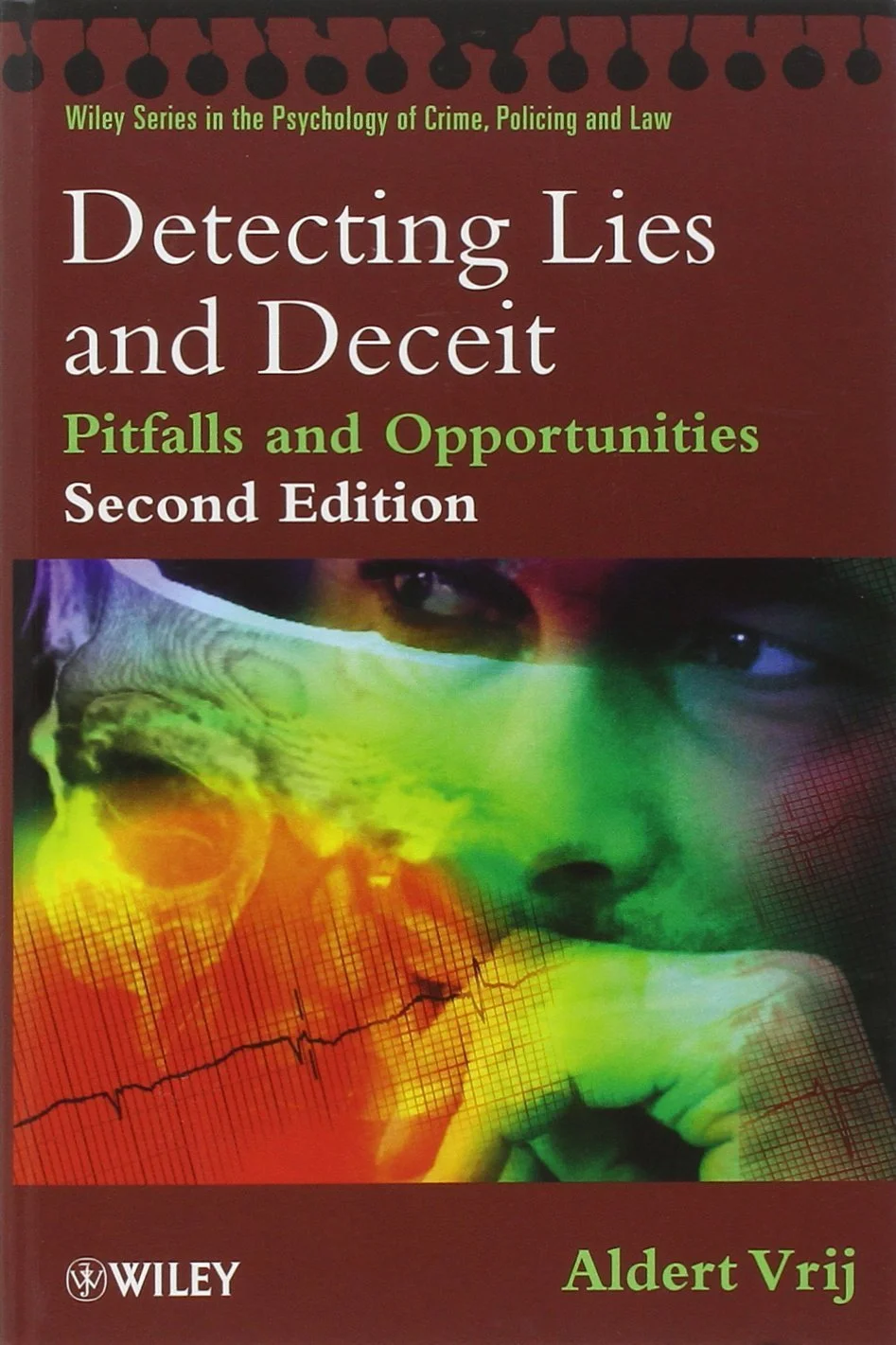
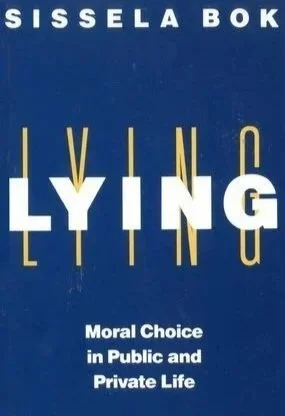
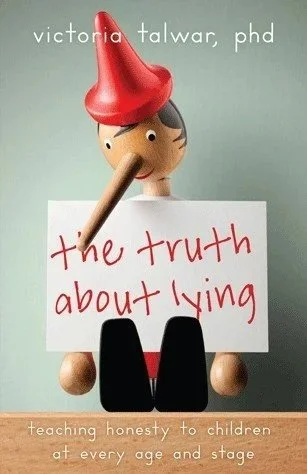
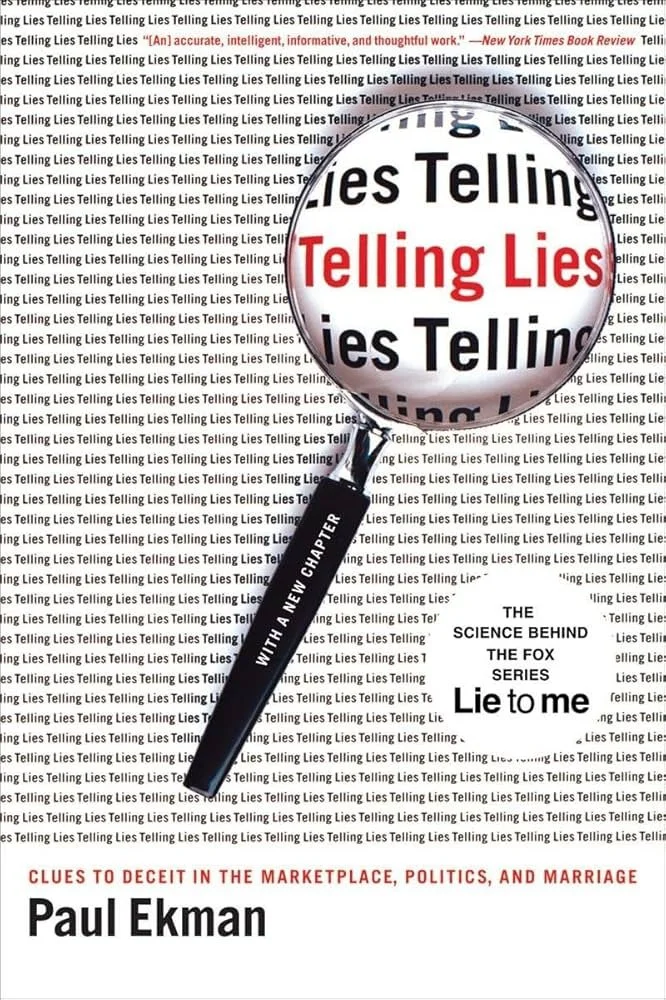
Other great books on deception and lying